
Coffee and L-Theanine — the most cost-effective and evidence-backed cognitive enhancement combination available.
If there is one thing you take from this entire site, let it be this: the combination of Caffeine and L-Theanine, at the right dose and ratio, is the most reliable, most cost-effective, most well-evidenced cognitive enhancement available to anyone without a prescription.
It is not exotic. It is not expensive. It is not controversial. It is simply one of the best things you can do for your cognitive performance on a daily basis.
| Ratio | Caffeine | L-Theanine | Best For | Notes |
|---|---|---|---|---|
| 1:1 Classic | 100–200mg | 100–200mg | General focus | Most researched ratio |
| 1:2 Balanced | 100mg | 200mg | Anxious users | Gentler, still effective |
| 2:1 Strong | 200mg | 100mg | High tolerance | More stimulating |
| Low Dose | 50mg | 100mg | Caffeine sensitive | Entry level |
Caffeine is the world's most widely used cognitive enhancer. It works primarily by blocking adenosine receptors — temporarily preventing the chemical signal that tells your brain you're tired. It's effective for alertness and attention, but it has well-documented limitations:
- Anxiety and jitters at moderate-to-high doses
- Impaired working memory under caffeine for some people (particularly at high doses)
- Mid-afternoon crash as adenosine builds up behind the blockade
- Tolerance buildup with daily use — diminishing returns over weeks
- Sleep architecture disruption even when half-life suggests it "should" have worn off
The crash is the key problem. Caffeine raises cortisol and adrenaline. When it wears off, the adenosine rebound can leave you more tired than you started. This creates a cycle of dependency that many daily coffee drinkers recognise intimately.
Why L-Theanine Changes Everything
L-Theanine is an amino acid found naturally in tea — particularly green tea. Its mechanism is almost perfectly complementary to caffeine:
- Promotes alpha brain wave activity — the neurological state of "relaxed alertness"
- Crosses the blood-brain barrier and increases GABA, dopamine, and serotonin levels
- Does not cause drowsiness — it promotes calm focus, not sedation
- Specifically counteracts the anxiogenic (anxiety-producing) effects of caffeine
- Smooths the caffeine crash by moderating the adenosine rebound
A 2008 study from the University of Sheffield gave participants caffeine (100mg) + L-Theanine (100mg) vs placebo vs caffeine alone. The combination group showed significantly improved attention and mood compared to either condition alone. Another study found improved task-switching performance and reduced distractibility.
The Optimal Ratio
Most research uses a 1:1 to 2:1 ratio (L-Theanine to Caffeine). The sweet spot for most people:
- 100mg Caffeine + 200mg L-Theanine: If you're caffeine-sensitive or taking it in the afternoon
- 200mg Caffeine + 200mg L-Theanine: Standard dose. Equivalent to roughly 1.5-2 strong coffees plus L-Theanine
- 200mg Caffeine + 400mg L-Theanine: Higher L-Theanine for maximum anxiety reduction
For reference: a typical espresso shot contains 63mg caffeine. A standard coffee from most coffee shops contains 150-200mg caffeine.
How It Feels
Within 30-45 minutes of taking the stack: a warm, alert, focused feeling. The anxiety edge that sometimes comes with caffeine is smoothed out. The mental state is calm and clear rather than wired. The focus is directed and sustained. It lasts 4-6 hours, with a gradual return to baseline rather than a crash.
The best description from our testing: "like being in the zone." Not euphoric, not stimulated — just quietly, persistently on-task.
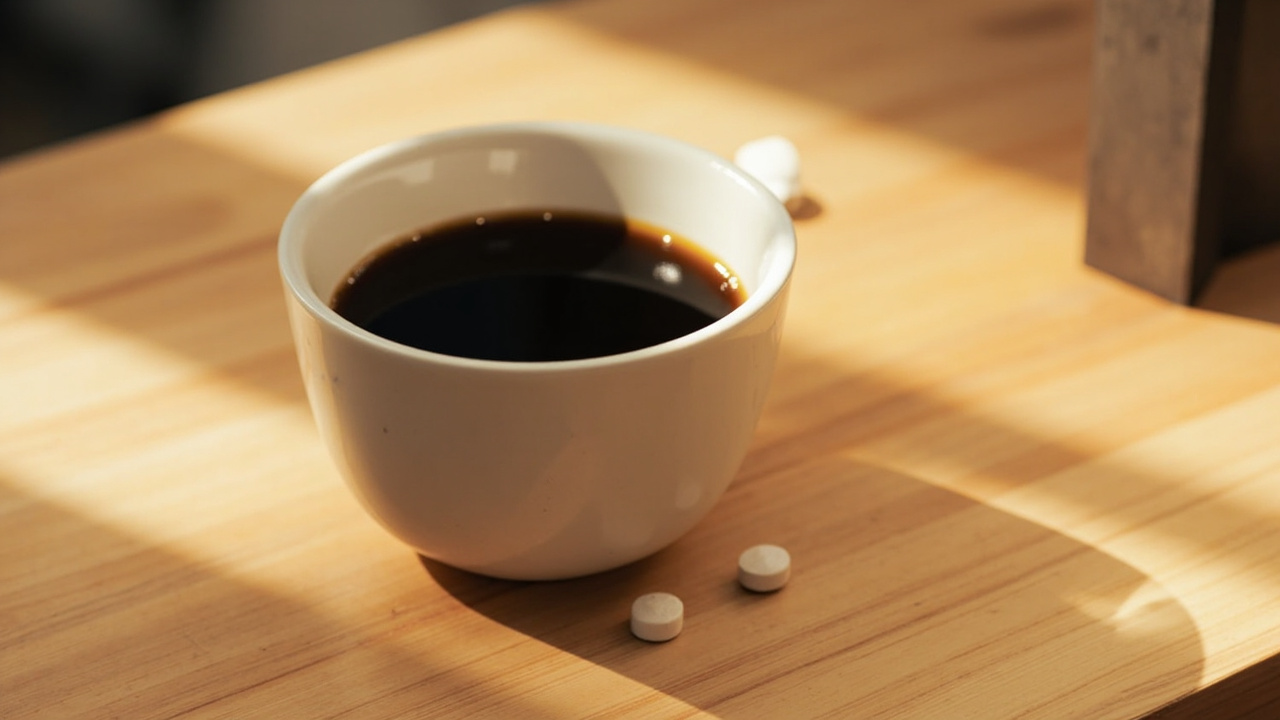
The stack — for many users, this combination alone outperforms expensive pre-made nootropic formulas.
What Form to Take
You have options:
- Green tea + coffee: Natural L-Theanine in green tea plus caffeine from coffee. Works well if you're not caffeine-sensitive. Matcha is particularly good — higher L-Theanine than steeped green tea.
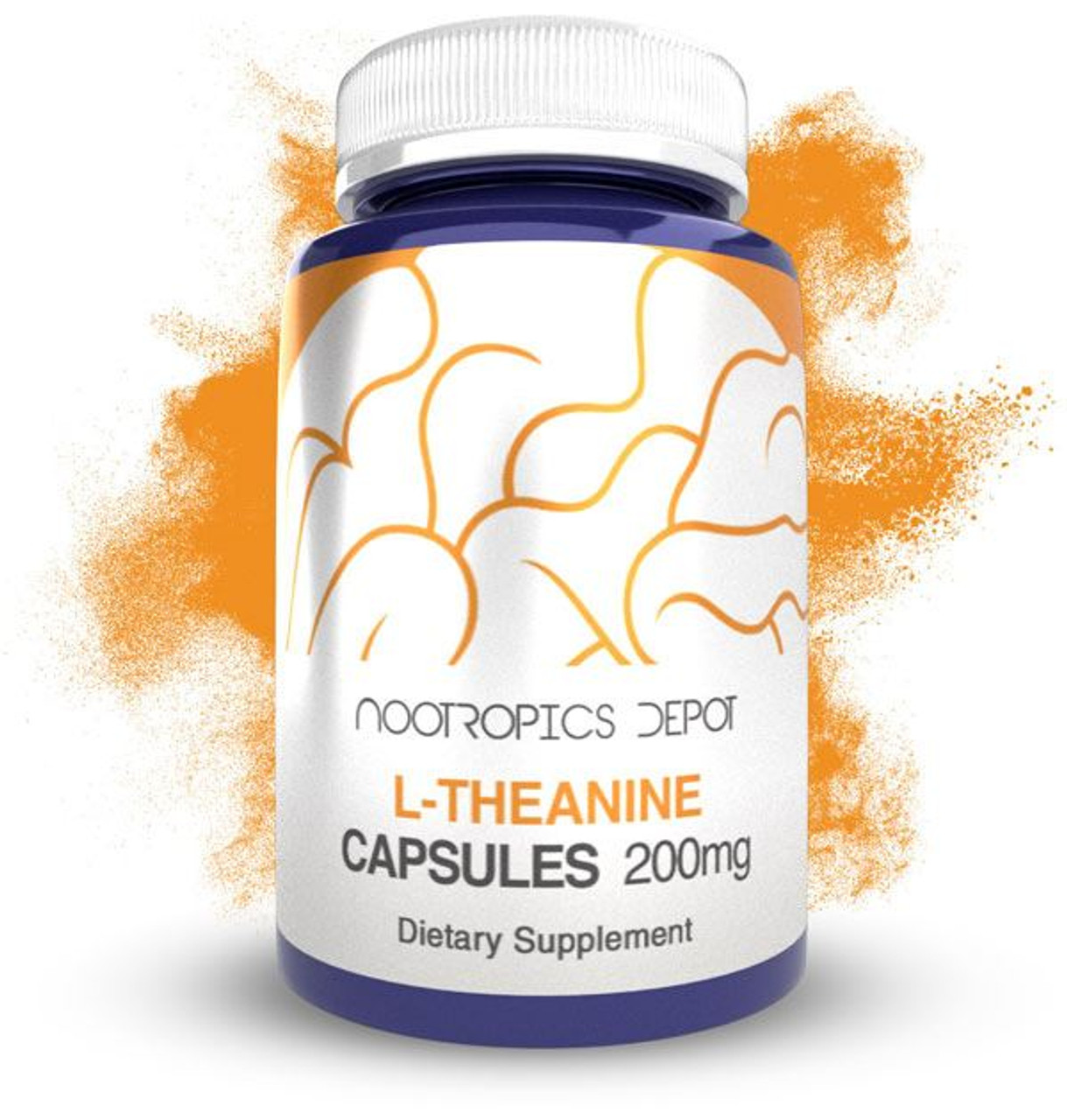
- L-Theanine capsules + coffee: Take your usual coffee and add a 200mg L-Theanine capsule. Simplest approach for most people.
- Pure L-Theanine + Caffeine powder: Most cost-effective and precise dosing. Requires a scale for accurate measurement. Popular with biohackers.
- Pre-made stacks: Products like "NeuroFuel" or "Alpha Brain" contain this combination alongside other ingredients. Fine if you want convenience; unnecessary if you're happy with the basic stack.
Important Timing Notes
Don't take this stack after 2pm if you're at all caffeine-sensitive. Even with L-Theanine moderating the effect, the stimulant component will affect sleep — and sleep quality the following night will undermine the cognitive benefits of the stack.
For evening use: L-Theanine alone (100-200mg) is a reasonable option if you want mild relaxation without the stimulant effect. It doesn't contain caffeine and has a gentle calming effect that some people find useful before bed.
Does Tolerance Build?
The L-Theanine + Caffeine combination produces significantly less tolerance than caffeine alone. The L-Theanine appears to moderate the adenosine receptor upregulation that causes tolerance to caffeine. Daily users consistently report the combination continuing to work over months and years without dose escalation.
This is one of the genuine advantages of the stack over pure caffeine: it is sustainable long-term in a way that caffeine alone often isn't.
Our Top Picks
Frequently Asked Questions
Best caffeine L-theanine ratio? +
Research supports a 1:2 ratio. 100-200mg caffeine with 200-400mg L-theanine produces focused, calm alertness without jitters or afternoon crash.
Does the stack really work? +
Yes. Multiple peer-reviewed studies from Oxford and Sheffield confirm improved sustained attention, task-switching, and subjective alertness vs caffeine alone.
How long do effects last? +
4-6 hours typically. Caffeine peaks at 30-60 minutes with a 4-6 hour half-life. Take with breakfast; avoid after 2pm to protect sleep.
Is the stack safe? +
At typical doses (under 400mg caffeine/day, under 400mg L-theanine/day), it is safe for most healthy adults. Caffeine is not recommended during pregnancy.


