
Lion's Mane Mushroom (Hericium erinaceus) — Distinctive appearance, compelling science.
Of all the compounds marketed as "brain boosters," Lion's Mane Mushroom (Hericium erinaceus) has the most compelling mechanism of action. While most nootropics work by optimising existing neural function, Lion's Mane may genuinely stimulate the growth of new neural tissue — specifically in the hippocampus, the brain region most central to memory and emotional regulation.
This isn't marketing. The mechanism is understood and documented in cell and animal studies. The question that remains is how well it translates to humans at commercially available doses.
| Product Type | Beta-Glucans | Dose | Extraction | Quality |
|---|---|---|---|---|
| Real Mushrooms 43:1 | 30%+ | 500–1000mg | Hot water + alcohol | ★★★★★ Best |
| Om Mushroom 1:1 | 20%+ | 1–2g | Hot water | ★★★★☆ Good |
| Fresh Lions Mane | <10% | 3–5g | None (raw) | ★★★☆☆ Moderate |
| Generic Powder | Unknown | 500–3000mg | Variable | ★★☆☆☆ Poor |
Your brain produces a protein called Nerve Growth Factor (NGF). NGF is essential for the survival, maintenance, and growth of cholinergic neurons — the cells most associated with memory and cognitive function. In Alzheimer's disease and age-related cognitive decline, NGF activity decreases significantly.
Lion's Mane contains two unique classes of compounds: hericenones (from the fruiting body) and erinacines (from mycelium). Both have been shown in cell culture and animal studies to stimulate NGF synthesis. The hericenones are generally considered the more relevant compounds for cognitive purposes, which is why quality extracts focus on fruiting body rather than mycelium.
In practical terms: this means Lion's Mane isn't just optimising the brain you have — it may be growing more of the infrastructure for memory and cognition.
What the Human Studies Show
The most frequently cited human study was conducted in Japan in 2009, with 50-80 year old men and women diagnosed with mild cognitive impairment. Participants took 3g daily of Lion's Mane powder (not a concentrated extract — the whole mushroom) for 16 weeks.
By week 8, the treatment group showed statistically significant improvements in cognitive function scores compared to placebo. By week 16, cognitive scores had nearly doubled. When the study ended and supplementation stopped, scores declined — suggesting ongoing use is necessary for sustained benefit.
A 2021 double-blind study in adults aged 18-65 taking a Lion's Mane extract showed improvements in mood and sleep scores in addition to cognitive measures, which is interesting given the hippocampus's role in emotional regulation.
The caveat: most studies have been conducted in older adults with mild impairment. The evidence for cognitively healthy younger adults is less extensive, though the mechanism makes it plausible.
What No One Tells You About Lion's Mane Products
The supplement industry has a significant quality problem with Lion's Mane. Here's what to watch for:
The Mycelium Scam
Many commercial "Lion's Mane" products contain mycelium grown on grain — often labelled "myceliated rice" or "mycelium biomass." These products are mostly starch (the grain) with negligible hericenone or erinacine content. The actual compounds that stimulate NGF are in the fruiting body, not the mycelium. Always check the label for "fruiting body" and look for beta-glucan content standardised to 30%+.
Beta-Glucan Content Is What Matters
The active compounds in Lion's Mane are beta-glucans — complex polysaccharides that stimulate the immune system and NGF. Look for extracts standardised to 30%+ beta-glucans. Many cheap products contain 5-10% — enough to put on a label, not enough to matter.
Dual Extraction vs Single Extraction
Lion's Mane beta-glucans are water-soluble. Hot water extraction (like making a tea or broth) efficiently extracts them. The triterpenes — a secondary class of active compounds — are alcohol-soluble. A dual extract (water + alcohol) captures both fractions. A hot water extract alone captures the beta-glucans but may miss some triterpenes.
For cognitive purposes, hot water extraction is the priority (you're after the beta-glucans). Dual extraction is nice-to-have but not essential if you're using a quality hot water extract with verified beta-glucan content.
How Long Does Lion's Mane Actually Take to Work?
Unlike L-Theanine (30 minutes) or Alpha-GPC (30-60 minutes), Lion's Mane is a long-term investment. Expect to wait 4-8 weeks before noticing anything. Some users in our testing reported subtle improvements in mental clarity and word recall starting around week 3-4, but the most consistent reports came after week 6.
This is a marathon compound. People who expect immediate results will be disappointed. People who understand it's working subtly and structurally over months tend to be enthusiastic long-term users.
How to Isolate Whether It's Working
Because the effects are subtle and gradual, it can be hard to know if Lion's Mane is doing anything for you. Some approaches that help:
- Keep a daily log of subjective cognitive markers — mental clarity on waking, word recall during the day, ability to concentrate during complex tasks
- Test yourself with cognitive apps (like Cambridge Brain Sciences) at weeks 0, 4, and 8
- Note any changes in mood or sleep — these are sometimes the first effects people notice
- Don't stack it with too many other new compounds initially — you want to isolate its effect
Our Top Pick
Our Top Pick
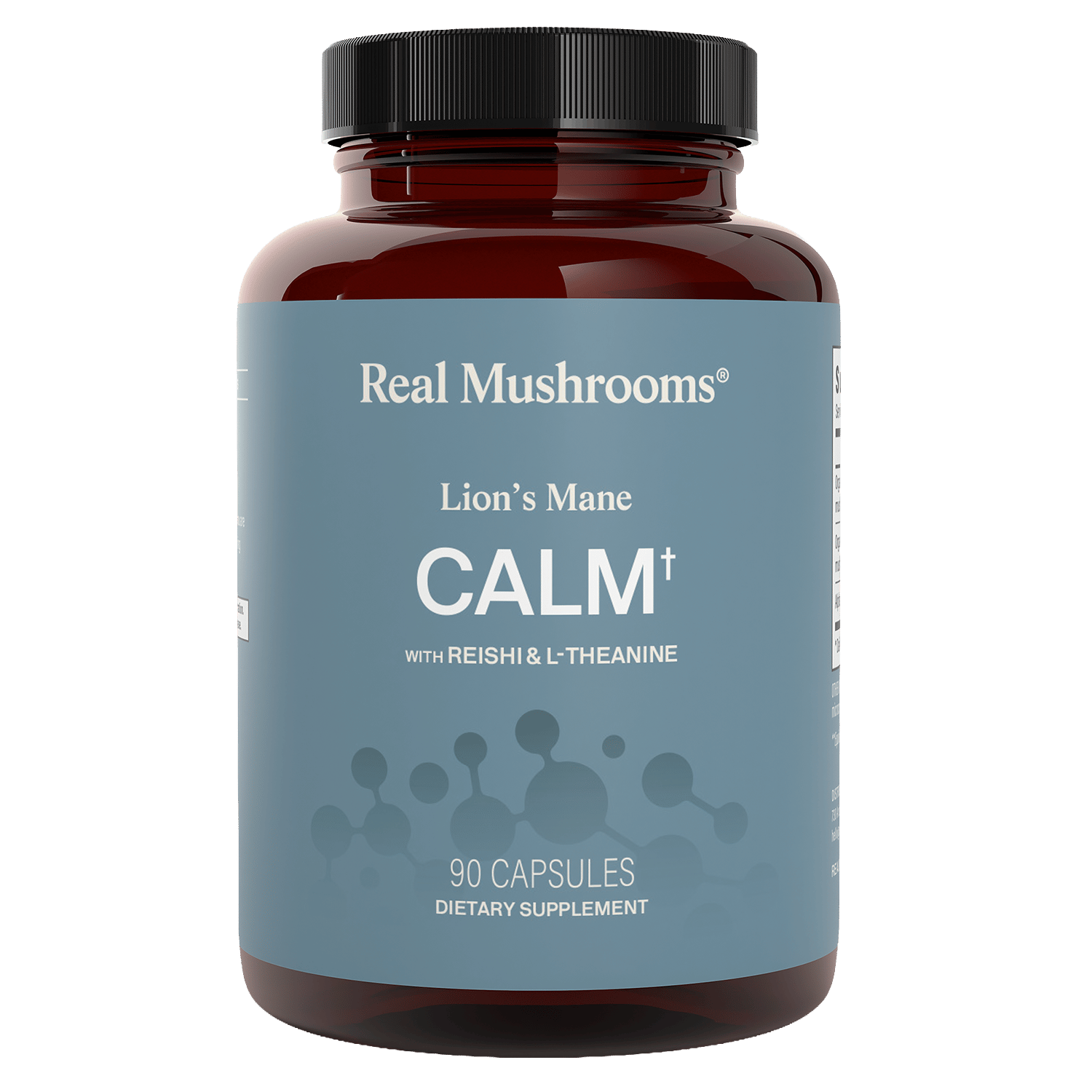
The Bottom Line
| Supplement | Typical Dose | Timing | Evidence | Notes |
|---|---|---|---|---|
| L-Theanine | 100-200mg | With caffeine or before bed | ★★★★☆ | Calm focus, no drowsiness |
| Ashwagandha KSM-66 | 600mg/day | Morning with food | ★★★★☆ | Cortisol reduction, 6-8 weeks |
| Lion's Mane | 1-3g/day | Morning | ★★★☆☆ | NGF support, 4-8 weeks |
| Caffeine + L-Theanine | 100-200mg each | Before deep work | ★★★★★ | Clean focus, no crash |
Lion's Mane is one of the most scientifically interesting supplements available. The NGF stimulation mechanism is real, the human evidence is supportive (if not yet extensive), and the safety profile is excellent. It's not a quick fix — it's a long-term investment in brain structure and resilience.
Best used as part of a broader nootropic stack rather than in isolation. For focus and acute cognition: stack with L-Theanine + Caffeine. For memory: stack with Bacopa. For neuroprotection: Lion's Mane is doing its own thing over months and years.
Frequently Asked Questions
How long does Lion's Mane take to work? +
Lion's Mane is not an acute stimulant. Subtle improvements typically appear around week 4-6, with significant effects by weeks 8-12.
Is Lion's Mane safe long-term? +
Yes. It has GRAS status from the FDA with no known serious adverse effects from long-term use.
Fruiting body vs mycelium: which is better? +
Always buy fruiting body extracts with 30%+ beta-glucans and third-party testing. Mycelium-on-grain products contain mostly starch.
Can Lion's Mane help with anxiety? +
Emerging research suggests Lion's Mane may reduce anxiety through NGF-mediated pathways. A 2010 study showed reduced anxiety and depression scores after 4 weeks.


